Building a home in New South Wales (NSW) is an exciting step, but before construction begins, one critical factor must be considered, the minimum lot size. This requirement determines whether a block of land is legally large enough to accommodate a residential dwelling.
Many homebuyers and investors assume that if they own land, they can build on it immediately. However, planning rules, zoning regulations, and local council policies play a significant role in determining whether a house can be constructed on a particular block.
In this guide, we’ll explain minimum lot sizes in NSW, how zoning affects land use, the typical block sizes required for residential development, and the key factors that influence whether your land can be developed.
What Is Minimum Lot Size?
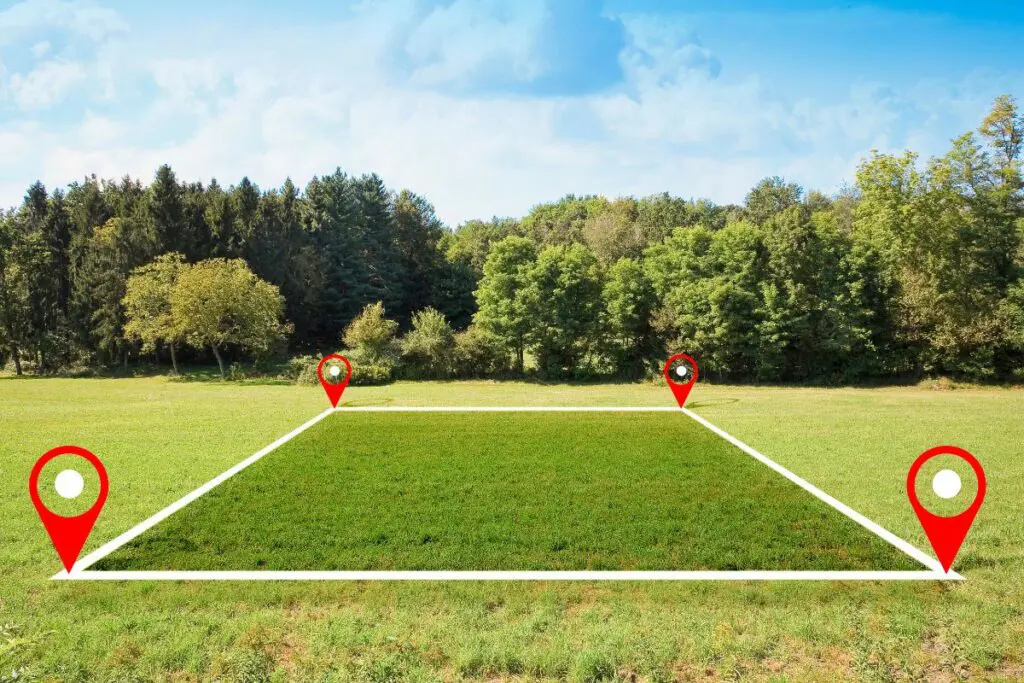
Minimum lot size refers to the smallest piece of land on which a dwelling can legally be built. These standards are set through planning instruments such as Local Environmental Plans (LEPs) and state planning policies.
The purpose of minimum lot size regulations includes:
- Maintaining appropriate housing density
- Ensuring adequate space for infrastructure and services
- Preserving neighborhood character
- Providing sufficient space for landscaping, parking, and setbacks
These requirements vary across NSW and depend heavily on zoning classifications and council rules.
Typical Minimum Lot Size in NSW
For most suburban residential areas in NSW, the standard minimum lot size to build a house is around 450 square metres with a frontage of approximately 12–14 metres.
This size allows enough space for:
- A detached house
- Front and rear setbacks
- Driveways or parking spaces
- Landscaping requirements
Under NSW planning guidelines, a 450 m² block with around 14 metres frontage is commonly accepted for a standard detached dwelling in many residential zones.
However, this is only a general benchmark, actual requirements can differ significantly depending on zoning and council regulations.
Zoning and Its Impact on Lot Size
In NSW, land use is regulated by zoning categories outlined in Local Environmental Plans (LEPs). Each zone has specific rules regarding lot size, density, and permitted developments.
1. R1 – General Residential
The R1 General Residential zone allows a wide range of housing types, including detached homes, townhouses, and small apartment buildings.
Typical minimum lot sizes:
- Around 450 m² for a detached dwelling
- Smaller lot sizes may be possible under certain planning provisions
This zoning is commonly found in established suburbs close to urban centers.
2. R2 – Low Density Residential
R2 zoning is designed for traditional suburban housing, usually consisting of detached houses.
Typical minimum lot requirements include:
- 450 m² for standard residential lots
- Larger requirements for corner or irregular blocks
- Minimum frontage requirements between 12–14 metres
Many family homes in suburban NSW are located in R2 zones.
3. R3 – Medium Density Residential
R3 zoning allows higher-density housing such as:
- Townhouses
- Duplexes
- Multi-dwelling developments
In these areas, minimum lot sizes are generally larger, sometimes reaching 900 m² or more, especially when building multiple dwellings.
However, requirements may vary depending on the specific council.
4. Rural Zones
For rural land, minimum lot sizes are significantly larger.
Examples include:
- RU2 Rural Landscape: Around 20 hectares minimum lot size
- RU4 Primary Production Small Lots: Around 1 hectare minimum lot size
These restrictions are designed to preserve agricultural land and limit urban development in rural areas.
Small Lot Housing in NSW
While traditional blocks are around 450 m², smaller lots are increasingly common in new housing estates.
Small lot housing typically includes blocks between:
- 250 m² and 450 m²
These smaller blocks allow:
- More affordable housing
- Higher residential density
- More efficient use of land in urban areas
Developers often design homes specifically for these compact blocks, making them popular among first-home buyers.
Minimum Lot Size for Subdivision
Subdivision allows property owners to divide a larger block into smaller parcels of land. However, each new lot must meet the minimum size requirements set by the local council.
For example:
- If the minimum lot size is 450 m², a property owner would generally need at least 900 m² to subdivide into two lots.
- Some councils require larger blocks for dual occupancy or duplex developments.
Subdivision rules vary significantly between councils and are outlined in the Local Environmental Plan.
Minimum Lot Size for Secondary Dwellings (Granny Flats)
Secondary dwellings, commonly known as granny flats, are becoming increasingly popular across NSW.
In many cases, a property must have a minimum lot size of 450 m² to add a secondary dwelling in residential zones.
These small dwellings are often used for:
- Rental income
- Housing for family members
- Increasing property value
However, approval still depends on zoning, setbacks, and council requirements.
Other Requirements Beyond Lot Size
Even if a block meets the minimum lot size requirement, additional planning rules must also be satisfied.
1. Minimum Lot Width
Most councils require a minimum frontage to ensure adequate access and street presentation.
Typical requirements include:
- 12–14 metres for standard lots
- Wider frontage for corner blocks
2. Setbacks
Setbacks determine how close a building can be to property boundaries.
Common setback requirements include:
- Front setback: 4–6 metres
- Rear setback: around 3–6 metres
- Side setbacks: approximately 1–2 metres
These requirements ensure sufficient light, privacy, and open space.
3. Landscaping Requirements
NSW planning rules also require a portion of the land to remain landscaped.
For example, a 450 m² block may require around 15% landscaped area, ensuring green space within residential developments.
4. Floor Space Ratio (FSR)
FSR controls how much floor area can be built relative to the size of the lot.
For example:
- An FSR of 0.5:1 on a 450 m² lot allows up to 225 m² of floor space.
This prevents overdevelopment and ensures balanced urban density.
Why Minimum Lot Size Matters
Understanding minimum lot sizes is essential for homeowners, investors, and developers.
Key reasons include:
1. Planning Approval
Without meeting the minimum lot size requirement, a development application may be rejected by the council.
2. Property Value
Blocks that meet subdivision criteria often have higher market value because they offer development potential.
3. Future Development
Large blocks provide flexibility for:
- Adding a granny flat
- Building duplexes
- Subdividing the land
These opportunities can significantly increase property returns.
How to Check the Minimum Lot Size for Your Property
If you want to build a house in NSW, you should verify the minimum lot size using the following steps:
- Check the Local Environmental Plan (LEP) for your council.
- Review the minimum lot size map included in the LEP.
- Confirm zoning classifications such as R1, R2, or R3.
- Speak with a town planner or local council planning department.
Many councils also provide online planning tools to help residents understand development controls.
Common Mistakes to Avoid While Build House
When planning to build in NSW, avoid these common errors:
- Ignoring zoning rules: Even large blocks may not allow residential construction depending on zoning.
- Assuming all councils have the same rules: Each council has unique planning controls.
- Overlooking frontage requirements: A block might meet the minimum area but fail to meet width requirements.
- Forgetting about easements or restrictions: Infrastructure easements can reduce the usable building area.
Final Thoughts
The minimum lot size required to build a house in NSW generally starts at around 450 m² for standard residential blocks, but the exact requirement depends on zoning, local council rules, and development type.
Whether you’re buying land, subdividing property, or planning a new home, understanding these regulations is essential to avoid costly mistakes and delays.
Before purchasing land or submitting building plans, always check the Local Environmental Plan and council development controls. Consulting with a NSW house builder professional can also help ensure your project meets all legal requirements.
With proper planning and knowledge of NSW development regulations, building your dream home can be a smooth and successful process.