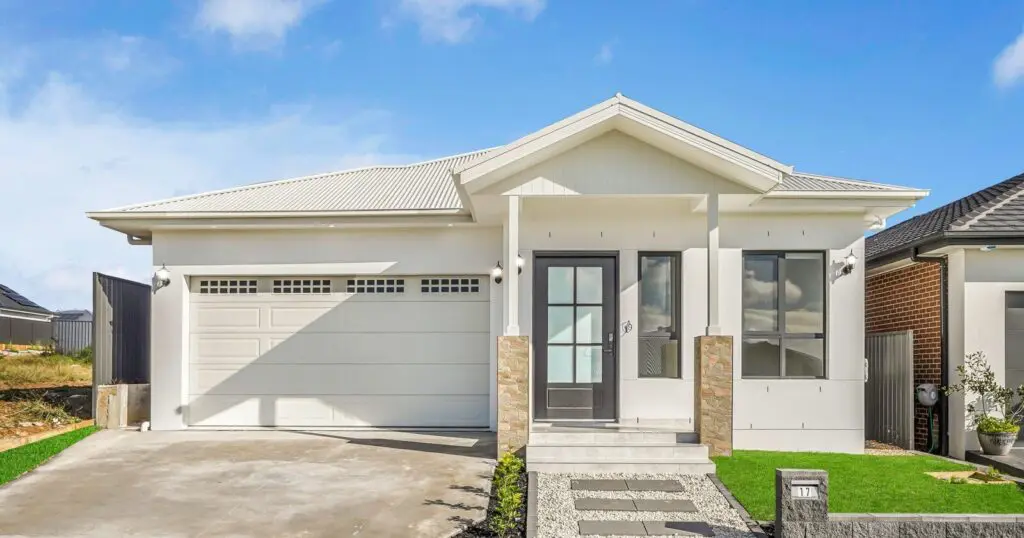
Building a house is one of the biggest financial investments most people will ever make. Whether you’re constructing a cozy 1,800-square-foot family home or a sprawling custom estate, understanding where your money goes is essential for budgeting wisely. Many future homeowners assume luxury finishes or landscaping will be the biggest cost drivers but the reality may surprise you.
In most cases, the most expensive part of building a house is the framing and structural system, followed closely by labor costs and foundation work. However, costs vary depending on location, materials, design complexity, and market conditions.
Let’s break it all down so you can clearly understand where your money goes and how to manage it.
1. Framing: The Structural Skeleton of the House
Framing is often the single largest line item in a home construction budget. It includes:
- Lumber or steel framing materials
- Floor systems
- Wall structures
- Roof trusses
- Sheathing
Framing typically accounts for 15%–20% of total construction costs, and in some custom homes, even more.
Why Is Framing So Expensive?
- Material Costs: Lumber prices fluctuate dramatically based on supply and demand. Market spikes can significantly increase overall building costs.
- Labor Intensive: Skilled carpenters are required to ensure structural integrity.
- Engineering Requirements: Complex architectural designs require custom framing solutions.
- Time Sensitive: Weather exposure can delay work and increase labor hours.
Because framing determines the size and shape of the house, the larger and more complex the design, the more expensive this phase becomes.
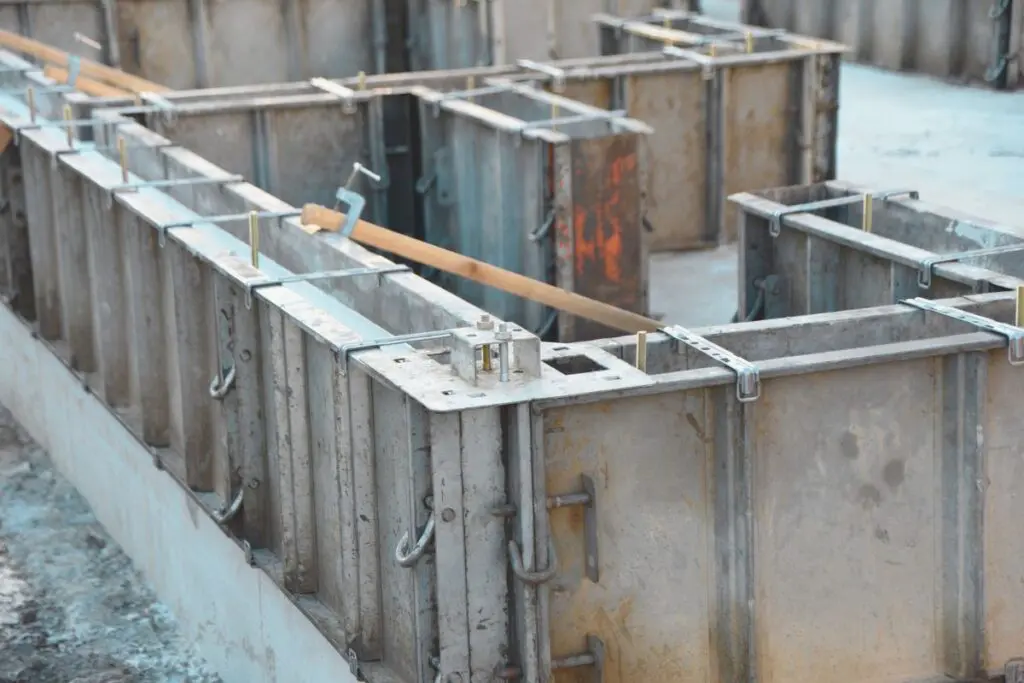
2. Foundation: The Base Everything Sits On
The foundation is another major expense, usually accounting for 10%–15% of total costs.
Types of foundations include:
- Slab-on-grade
- Crawl space
- Full basement
Basements are typically the most expensive option due to:
- Excavation costs
- Concrete and reinforcement materials
- Waterproofing systems
- Drainage installation
If your lot has poor soil conditions or steep grading, foundation costs can rise significantly due to additional engineering and reinforcement requirements.
3. Labor Costs: The Hidden Giant
Labor often makes up 30%–50% of total construction costs, depending on location.
Skilled trades required include:
- Carpenters
- Electricians
- Plumbers
- HVAC technicians
- Roofers
- Drywall installers
- Painters
In areas with high demand for construction workers, labor shortages can push wages up dramatically. Urban regions and high-growth markets tend to have the highest labor costs.
Even if materials are affordable, labor can quickly inflate your overall budget.
4. Interior Finishes: Where Costs Can Spiral
Interior finishes include:
- Cabinets
- Countertops
- Flooring
- Tile
- Paint
- Trim and molding
This is where homeowners often exceed their budgets.
While framing is typically the most expensive structural phase, interior finishes are where customisation can dramatically increase costs.
For example:
- Stock kitchen cabinets may cost $5,000–$10,000
- Custom cabinetry can exceed $40,000
- Laminate countertops are affordable
- Natural stone or quartz significantly increases expenses
Luxury bathrooms with custom tile work and high-end fixtures can rival kitchen costs.
5. Major Systems: Plumbing, Electrical, and HVAC
Mechanical systems are essential and expensive.
These include:
- HVAC (Heating, Ventilation, Air Conditioning)
- Electrical wiring and panels
- Plumbing systems
- Water heaters
Together, these systems often account for 10%–20% of the total cost.
Energy-efficient systems, smart home wiring, and upgraded heating systems can raise expenses quickly. However, they may reduce long-term operating costs.
6. The Roof: Protection at a Price
Roofing typically costs 5%–10% of the overall budget.
Factors that influence roofing cost:
- Roof size
- Pitch (steep roofs cost more)
- Material choice (asphalt shingles vs. metal vs. tile)
- Labor difficulty
Architecturally complex roofs increase both material waste and labor time.
7. Exterior Finishes and Curb Appeal
Exterior finishes include:
- Siding (vinyl, brick, fiber cement, stone)
- Windows and exterior doors
- Garage doors
- Landscaping
- Driveways
Brick and stone exteriors cost significantly more than vinyl siding. Large windows also increase costs not just for purchase but for structural framing and insulation adjustments.
Landscaping is often underestimated. A professionally landscaped yard with irrigation, sod, and hardscaping can cost tens of thousands of dollars.
So, What Is the Most Expensive Part?
The Short Answer:
Framing and structural construction are typically the most expensive individual phase of building a house.
The More Accurate Answer:
The most expensive component depends on:
- Home size
- Design complexity
- Geographic location
- Material selection
- Labor market conditions
In high-end custom homes, interior finishes can surpass framing costs.
In challenging terrain, foundation work may become the top expense.
In urban markets, labor might be the largest overall cost category.
Average Cost Breakdown (General Estimate)
Here’s a simplified cost percentage breakdown:
| Component | Approximate % of Total Cost |
| Framing & Structural | 15–20% |
| Labor (All Trades Combined) | 30–50% |
| Foundation | 10–15% |
| Mechanical Systems | 10–20% |
| Interior Finishes | 15–25% |
| Roofing | 5–10% |
| Exterior Finishes | 10–20% |
These percentages overlap because labor is embedded within each category.
What Drives Costs the Most?
- Square Footage – The larger the home, the more materials, labor, and systems are required, significantly increasing total construction costs.
- Design Complexity – Features like vaulted ceilings, open layouts, and custom elements require additional structural support and specialised labor.
- Material Selection – Premium finishes and high-end materials can quickly double or triple specific budget categories.
- Location – Regional labor rates, building codes, climate requirements, and permit fees heavily influence overall building costs.
- Market Conditions – High demand, labor shortages, and material price fluctuations can drive construction costs upward.
How to Control the Most Expensive Costs
If framing and structure are your largest expenses, here’s how to manage them:
- Keep the Design Simple: Rectangular layouts are cheaper than complex shapes.
- Avoid Excessive Roof Angles: Simple rooflines reduce labor and material waste.
- Standardize Window Sizes: Custom windows increase framing costs.
- Choose Engineered Plans: Working with proven architectural designs reduces costly structural surprises.
Budgeting Tips for Home Builders
- Add a 10–20% contingency fund for unexpected costs.
- Get multiple contractor bids.
- Lock material prices when possible.
- Track expenses weekly.
- Avoid mid-project design changes.
Change orders during construction are one of the fastest ways to inflate costs.
Final Thoughts
While many people assume luxury finishes are the most expensive part of building a house, the truth is that framing and structural construction usually claim the largest portion of the budget. That said, interior finishes can easily become the most expensive element if high-end materials are selected.
The key to staying on budget is understanding how each phase contributes to the total cost and planning accordingly.
Building a home is a complex process with many moving parts. But with smart planning, realistic budgeting, and informed decisions, you can manage expenses and avoid costly surprises.
If you’re planning to build, start by carefully evaluating your design choices. The shape, size, and structural complexity of your home will have the biggest impact on your bottom line.