A knock down rebuild is an increasingly popular option for homeowners who love their location but want a brand-new, modern home. Instead of renovating an outdated structure, this process involves demolishing the existing house and building a completely new one on the same block of land. While it may sound complex, understanding the step-by-step process can make it far more manageable and less intimidating.
1. Initial Planning and Feasibility Assessment
The journey begins with careful planning. Homeowners need to evaluate whether a knock down rebuild is the right choice compared to renovating or relocating. This includes assessing the condition of the current property, understanding local council regulations, and determining budget constraints. Consulting with builders, architects, or designers at this stage helps clarify what’s achievable on your block.
A site inspection is usually conducted to identify potential challenges such as soil quality, slope, drainage, and access. These factors can influence both design and construction costs.
2. Budgeting and Financing
Once feasibility is confirmed, the next step is establishing a clear budget. A knock down rebuild involves multiple cost components, including demolition, design, permits, construction, and landscaping. It’s important to factor in temporary accommodation costs if you need to move out during construction.
Homeowners typically secure financing through a construction loan, which differs from a standard mortgage. Speaking with a financial advisor or lender early ensures you understand borrowing capacity and repayment structures.
3. Design and Customisation
This is one of the most exciting phases of the process. You’ll work with a designer or builder to create a home that suits your lifestyle, preferences, and block characteristics. Decisions made here include floor plans, number of rooms, layout, façade style, and interior finishes.
At this stage, you also need to ensure the design complies with local planning regulations, zoning laws, and building codes. Energy efficiency requirements and sustainability features may also be incorporated into the design.
4. Obtaining Approvals and Permits
Before any physical work begins, necessary approvals must be secured. This typically includes development approval (DA) or complying development certificate (CDC), depending on your local council requirements.
You’ll also need permits for demolition and construction. This process can take several weeks to months, depending on the complexity of the project and local regulations. Working with experienced professionals can help streamline approvals and avoid delays.
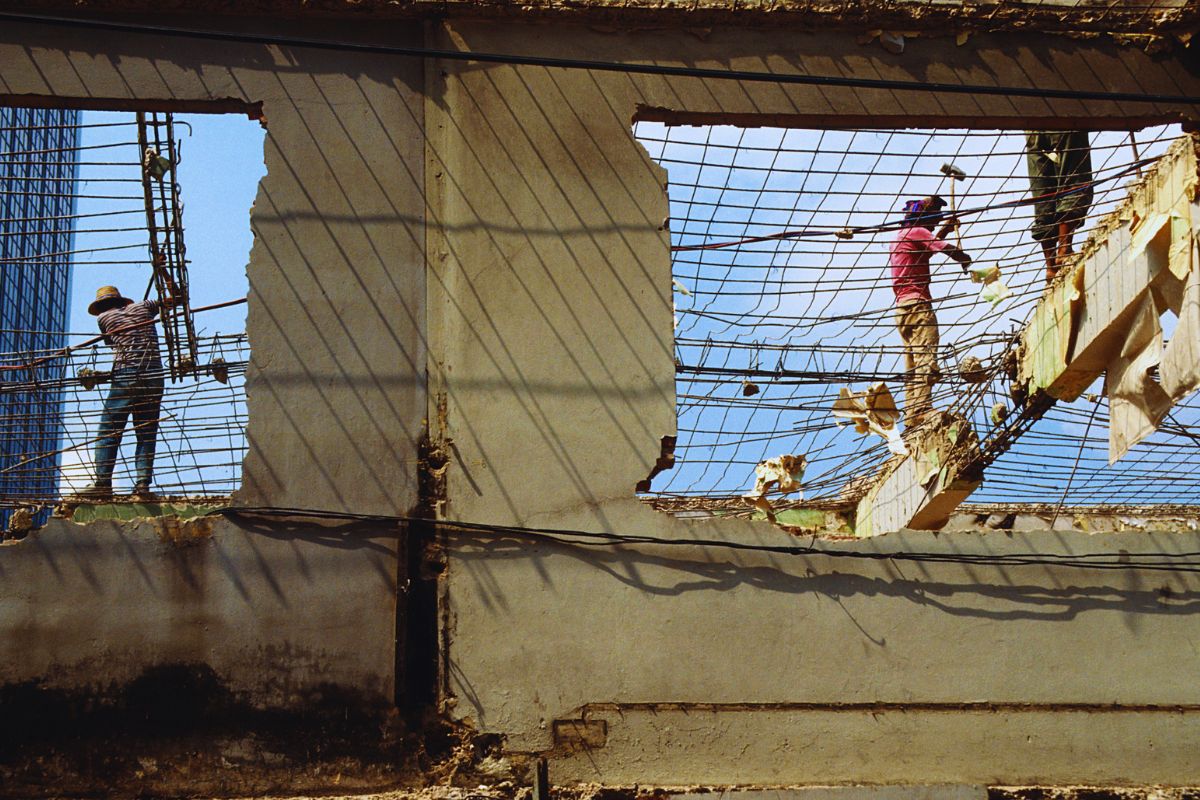
5. Demolition of Existing Property
Once approvals are in place, demolition can begin. Licensed demolition contractors handle this phase, ensuring the process is carried out safely and in compliance with environmental regulations.
Before demolition, services such as electricity, gas, and water are disconnected. Hazardous materials like asbestos are carefully removed if present. The site is then cleared, leaving a blank canvas ready for construction.
6. Site Preparation and Foundation Work
After demolition, the land is prepared for building. This may involve leveling the site, improving soil conditions, and setting up proper drainage systems.
The foundation is then laid, which is one of the most critical stages of construction. Depending on soil conditions and design, this could involve a concrete slab or other foundation systems. Accuracy and quality here are essential, as the entire structure depends on it.
7. Construction Phase
With the foundation complete, the actual building begins. This phase is typically broken down into several stages:
- Framing: The skeleton of the house is constructed.
- Lock-up stage: External walls, windows, and doors are installed.
- Fixing stage: Internal elements such as plasterboard, cabinetry, and fittings are added.
- Final finishes: Painting, flooring, and fixtures are completed.
Regular inspections occur throughout this phase to ensure compliance with building standards and quality expectations.
8. Inspections and Quality Checks
Throughout construction, mandatory inspections are carried out by building certifiers. These checks ensure that each stage meets safety and regulatory standards.
In addition to official inspections, homeowners often conduct walkthroughs with their builder to monitor progress and address any concerns. This collaborative approach helps ensure the final result meets expectations.
9. Handover and Completion
Once construction is complete, a final inspection is conducted. Any minor defects or unfinished items are documented in a “defects list” and addressed before handover.
After everything is finalised, you receive the keys to your new home. The builder will also provide warranties, certifications, and documentation related to the construction.
10. Landscaping and Moving In
The final step is transforming the outdoor space and moving into your new home. Landscaping, driveways, fencing, and outdoor features are completed to complement the new build.
Once everything is ready, you can move in and enjoy a modern home tailored to your needs, all without leaving your familiar neighborhood.
Final Thoughts
A knock down rebuild offers a unique opportunity to create a dream home in a location you already love. While the process involves multiple stages, each step plays a crucial role in ensuring a successful outcome. With proper planning, the right team, and a clear understanding of the journey, homeowners can navigate the process with confidence and achieve a result that perfectly suits their lifestyle.