If you’ve heard the term “granny flat” in Sydney property conversations and wondered what it means or how much it costs to build one, you’re not alone. In this post, we’ll explain what a granny flat is, why they’re becoming so popular across Sydney, how they’re approved, and what they really cost — with a deep dive into the numbers, influences, and tips before you start building.
What Is a Granny Flat?
A granny flat is a self-contained secondary dwelling built on the same lot as a main house. In NSW, this is officially referred to as a secondary dwelling under planning laws. It’s typically smaller than the main residence but includes all essentials: bedroom(s), bathroom, kitchen, and living area.
The name “granny flat” comes from its traditional use — providing independent living space for elderly parents or relatives — but today, its use has expanded widely. People now build them for rental income, guest accommodation, home offices, or for adult children moving back home.
Common features include:
- Separate entrance and living facilities.
- Usually located in the backyard or attached to the main dwelling.
- Often limited to 60 m² of internal floor area in most Sydney councils.
- Cannot be sold separately unless the property is subdivided.
Why Are Granny Flats So Popular in Sydney?
There are several reasons granny flats are booming in Sydney:
- Housing affordability pressures: With Sydney’s high property prices, building a secondary dwelling is a cost-effective way to generate rental income or house family members.
- Rental demand: Sydney’s rental market is extremely tight. A well-built granny flat can provide steady rental yield.
- Multigenerational living: Many families want to stay close while maintaining privacy — perfect for elderly parents or adult children.
- Adding property value: A granny flat can significantly boost your property’s resale value.
- Flexible usage: The space can be used for guests, a home office, a short-term rental, or even future accommodation for caregivers.
Granny Flat Rules & Regulations in Sydney
In New South Wales, granny flats can often be approved through the Complying Development Certificate (CDC) process — a faster route than a full Development Application (DA). To qualify for CDC approval, you’ll need to meet certain requirements:
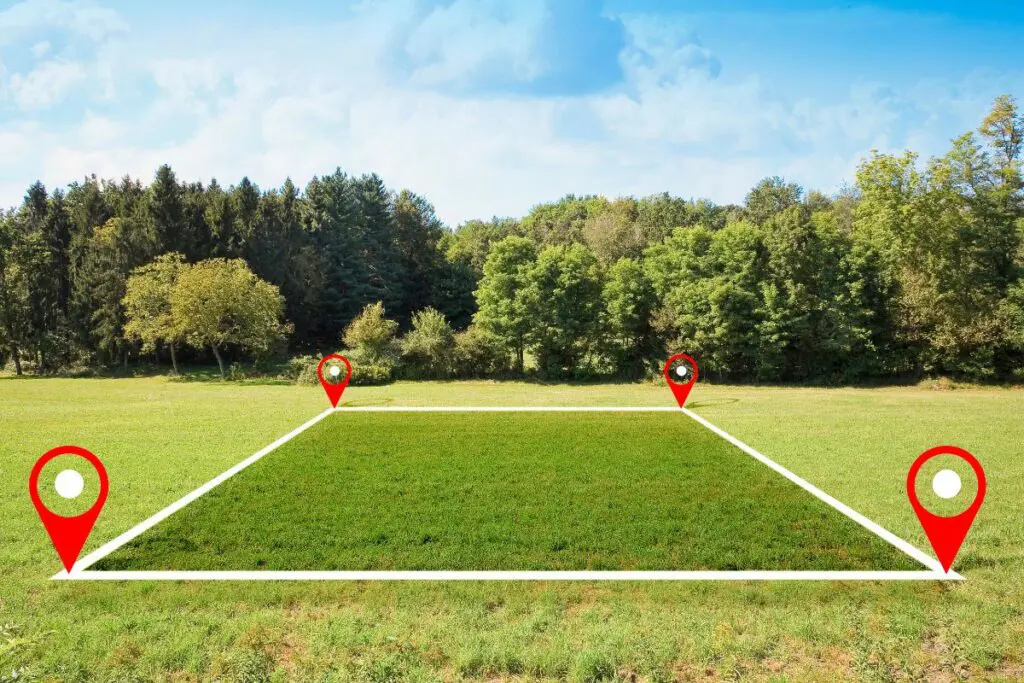
- The block must usually be at least 450 m².
- Only one granny flat is allowed per property.
- The flat must be no larger than 60 m² internal floor space.
- It must be built on the same title as the main dwelling.
- You must meet minimum setbacks, height limits, and privacy standards.
- Adequate space must exist for access and fire safety.
If your property doesn’t meet CDC standards, you’ll need to lodge a DA through your local council, which takes longer and involves more documentation.
How Much Does a Granny Flat Cost in Sydney?
Costs vary based on design, size, site conditions, and finish level. Here’s a realistic breakdown based on current Sydney market conditions (as of 2025):
Typical Price Ranges
| Type | Approximate Cost (AUD) | Size Range |
| Studio / 1 Bedroom | $120,000 – $150,000 | 30 – 45 m² |
| 2 Bedroom | $150,000 – $200,000 | 45 – 60 m² |
| 3 Bedroom | $180,000 – $230,000+ | 60 – 80 m² |
| Two-Storey / Premium | $250,000 – $330,000+ | 70 – 100 m² |
These are “turn-key” averages, meaning they include most of the work needed for a ready-to-live-in unit.
However, costs can rise quickly depending on finish quality, site challenges, or connection work. Always check what’s included in your quote.
What’s Usually Included (and What’s Not)
Included in a typical turnkey quote:
- Design, approval, and construction
- Foundations and concrete slab
- Framing, roof, insulation
- Internal fit-out, kitchen, bathroom
- Flooring, painting, and electrical work
- Connection to main services
- Standard landscaping
Common exclusions (extra costs to budget for):
- Council or certifier fees
- Engineering and BASIX certificates
- Sewer and water connection upgrades
- Driveways, fencing, or separate metering
- Decking, carports, or premium finishes
- Site preparation (rock excavation, tree removal)
- Contingency or unforeseen costs
Key Factors That Influence the Cost
1. Size and Layout
Bigger floor areas, more bedrooms, or an extra bathroom increase cost. Even a small jump from 50 m² to 60 m² can add tens of thousands.
2. Site Conditions
Flat, accessible land is cheaper to build on. Sloping or rocky sites, or tight access (common in inner Sydney), can significantly raise costs due to excavation or crane work.
3. Finish Level
Basic, functional finishes keep costs low. High-end inclusions like stone benchtops, timber floors, designer tiles, and full air-conditioning can push your budget higher.
4. Approval Process
CDC approvals are generally quicker and cheaper. If you need to go through council for a DA, expect extra time and expenses for documentation and design compliance.
5. Labour and Material Prices
Construction costs have risen in Sydney over the last few years due to labour shortages and supply chain issues. It’s wise to lock in prices early where possible.
6. Utilities and Services
Extending water, sewer, gas, and electricity connections from the main dwelling can cost several thousand dollars depending on distance and site conditions.
Example Budget: A 2-Bedroom Granny Flat in Sydney
Let’s take a realistic example:
Scenario:
- Property: 600 m² block in Western Sydney
- Build type: Detached 2-bedroom, 60 m² flat
- Finish: Mid-range (not luxury, not basic)
Estimated Costs:
- Construction: $160,000
- Design and approval fees: $10,000
- Service connections: $5,000
- Landscaping/fencing: $5,000
- Contingency (5 %): $8,000
 Estimated total: $188,000
If you choose higher-end finishes or your block requires more prep, this could climb to $210k – $230k.
If you keep it simple or smaller (studio/1-bed), you might come in closer to $130k.
Is a Granny Flat Worth It?
Pros
- Rental income: Can deliver strong yield in high-demand Sydney areas.
- Adds value: Increases resale potential of your property.
- Flexible use: Space for family, guests, or work.
- Faster approvals: CDC makes it quicker than many full extensions.
- Efficient use of land: Makes the most of your property footprint.
Cons
- High upfront cost: $120k+ is a serious investment.
- Regulation complexity: You must meet local zoning and building codes.
- Limited resale flexibility: Cannot be sold separately (unless subdivided).
- Potential tenant issues: If rented, you’ll manage tenants on your property.
- Hidden costs: Site and service surprises are common.
Tips Before You Build a Granny Flat in Sydney
- Get multiple quotes. Compare at least three reputable builders.
- Check inclusions carefully. Ensure “turnkey” actually means complete.
- Inspect your site. Sloping land, trees, or easements can cause issues.
- Understand approval rules. Verify whether your block qualifies for CDC.
- Don’t overcapitalise. Spend in proportion to your suburb’s property values.
- Plan for future needs. Think long-term — family, income, resale potential.
- Budget for extras. Always add at least 10 % contingency for unforeseen costs.
- Engage professionals. Use licensed builders, engineers, and certifiers.
Final Thoughts
In Sydney’s expensive housing market, a granny flat can be a clever solution — offering flexibility, extra income, and added property value. But it’s not a cheap project.
Expect to spend $120,000 to $200,000 for most standard 1- or 2-bedroom builds, with premium or complex projects reaching $250,000 or more. The key is planning: understand your site, compare quotes, and budget carefully.
With the right design and house builder in Sydney, granny flat can be one of the most practical and rewarding investments you make — whether for family, income, or future value.